
Build it with them: What Dorothy Vaughan taught me about lasting change
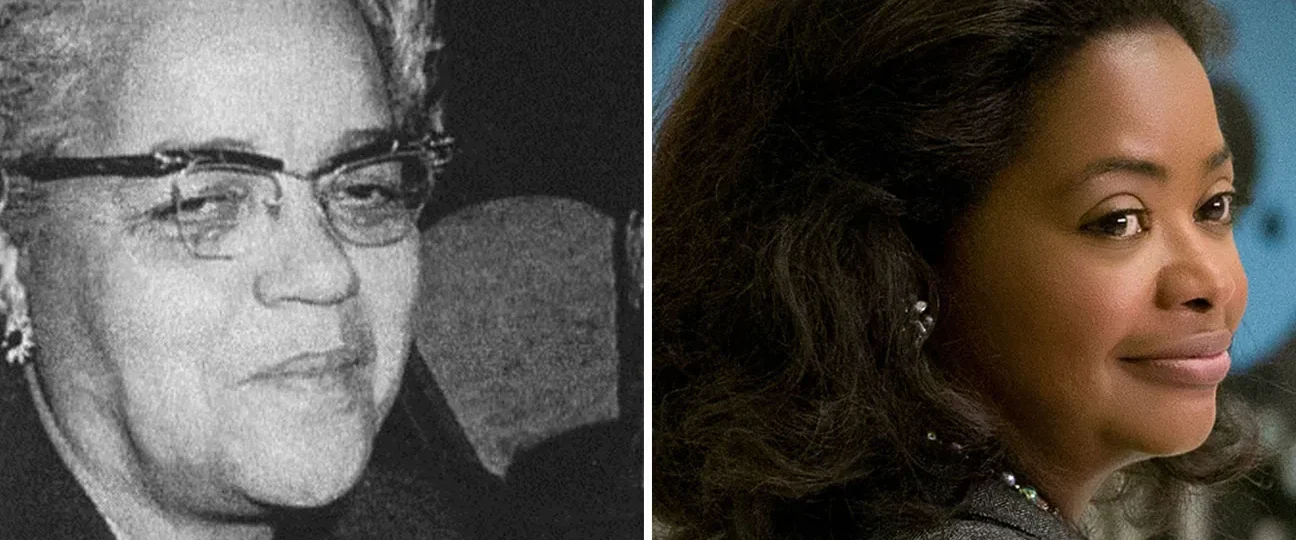
I watched the movie Hidden Figures a few years ago, and one character stayed with me long after the credits rolled. Not because of the history (though it's a remarkable story), but because of Dorothy Vaughan.
If you’ve not seen it, or don’t know the story, Dorothy was the supervisor of a team of black female mathematicians at NASA in the 1960s. When the organisation introduced an IBM computer that threatened to make her entire unit redundant, she didn't lobby for her own position, she didn't wait to see what would happen, she taught herself and her whole team FORTRAN - the programming language the new machine ran on.
What I loved about her part in the story wasn't the strategy, it was the instinct. Despite the organisation’s transformation vision, she thought about the team’s value first. She had the courage and the foresight to bring them with her into something uncertain, rather than navigate it alone or leave them behind. In a tough environment, she chose collective strength over self-preservation.
I think about that a lot in my work. Because the leaders and advisors who create lasting change - the kind that actually sticks - tend to be the ones who build it with the people who have to live with it.
The brief behind the brief
When an organisation brings in a fractional marketer or advisor, they usually know something isn't working; results are disappointing, the team is stretched or disheartened, a strategy isn't landing the way it should. But the root of the problem and real reason things aren't working isn't always clear, even to the people closest to it.
I've come to think that one of the most valuable things you can do early in any engagement isn't to arrive with answers. It's to have an honest, open conversation about what people are actually seeing inside the organisation, inside the team, inside the day-to-day reality of the work. That conversation, done well, surfaces things that no brief could capture.
I was once asked to improve marketing outcomes across a partner ecosystem. The direction was clear: promote more campaigns, add partner incentives, increase activation. A reasonable starting point.
But when I spent real time with the team managing those partner relationships, and not just the leader who'd highlighted the problem, a different picture emerged. The campaigns weren't resonating because they hadn't been built with the audiences the partners actually knew. Incentives weren't the barrier. What partners wanted was deeper, more strategic engagement - the kind that builds lasting commercial value on both sides. And the internal team? They were frustrated too. They wanted to develop those relationships properly, not just push materials through.
The solution wasn't in the original problem statement. It was in the room. And once the team felt genuinely heard, they were far more invested in making the new approach work, because they'd helped shape it.
What the team already know
I had a conversation recently with a team leader who was trying to bring more AI workflows into her organisation. She asked a business leader where they could create more value with AI at events. The answer: generating event swag ideas – we’re not being creative enough to attract visitors and leads.
Reasonable. But when she spoke with the broader events team, a different problem surfaced. The real opportunity wasn't the swag at all. It was a more efficient way to bring together leads for follow-up after events. Conversations that mattered at key events were falling through the cracks. The handoff was broken.
The AI workflow that actually made a difference wasn't the one identified at the outset. It was the one the team named when someone asked them where the friction really was.
This is the Dorothy Vaughan opportunity hiding inside most AI rollouts. The organisations getting the most from it aren't the ones implementing it from the top down. They're the ones asking their teams: what would you do with this, if you could? That question changes the dynamic entirely. People who felt nervous about being replaced start to feel like they're shaping something. The ideas get better, the resistance drops and the outcomes last, because people have a stake in them.
The story you're not hearing
There's a third place this plays out, and it's one I've seen transform an entire brand storytelling approach.
I've been in creative briefings where the product marketing team arrived with deep conviction about what had been built - sophisticated features, real investment, genuine innovation. The brief was clear: tell the market how good this is.
But when the customer experience and sales team members lent their voice, a different story emerged. Not about what the product could do, but about the specific frustrations customers lived with before they found it - the real problem. Listening to folks that understood the customer problem first changed everything. Not because the product was different, but because the people closest to the customer conversation had finally been invited to shape how the story was told.
The brief said: lead with what we built.
The team said: lead with what it solves.
The campaign did both, in the order that actually mattered.
What endures
Dorothy Vaughan didn't just protect her team's jobs, she changed what they were capable of. And she did it by believing in them before they believed it themselves - by bringing them with her, and making them part of a solution to a problem neither they or the organisation could fully see yet.
The leaders and advisors who create that kind of impact aren't necessarily the ones with the best strategy documents. They're the ones willing to slow down at the start, to listen, to widen the circle, to ask the people closest to the work what they're actually seeing.
That's where the real brief lives. And the solutions built from it tend to be the ones that last.
Authentec Advisory | Marketing with impact. Leadership that lasts.